A classroom is a busy environment where children are expected to learn, communicate, follow instructions, and participate alongside their peers. For children who need additional behavioral support, managing all these expectations can sometimes be difficult.
On-site facilitation can help children develop the skills needed to participate more comfortably in group settings. Rather than completing tasks for them, a facilitator provides guidance, encourages participation, and gradually helps children become more independent throughout the school day.
Understanding the Role of In-Classroom Behavioral Support
In-classroom behavioral support involves helping children participate in everyday school activities while developing skills that support learning and social interaction. This may include following classroom instructions, transitioning between activities, communicating needs, and completing assignments.
A facilitator works within the child’s natural school environment. This makes it possible to practise skills during lessons, group activities, lunchtime, and other situations that occur throughout the day.
The purpose is not to make a child dependent on an adult. Effective support focuses on teaching practical skills, recognising progress, and reducing assistance as the child becomes more confident.
Why Group Settings Can Be Challenging for Some Children
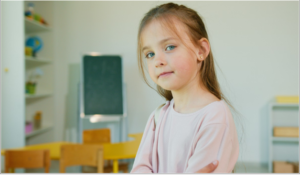
Group classrooms involve several demands happening at once. Children must listen while others are speaking, wait for their turn, follow shared instructions, and adjust when activities change.
These expectations can be difficult for children who struggle with communication, attention, sensory processing, or flexibility. Background noise, movement, and unexpected interruptions may also make it harder to concentrate.
Without appropriate support, these challenges can affect classroom engagement. A child may withdraw from activities, become frustrated, or rely heavily on adults to understand what is expected.
How On-Site Facilitation Encourages Independence
On-site facilitation gives children opportunities to practise important skills in the situations where they actually need them. Instead of learning a behaviour in isolation, they can apply it during lessons, transitions, and interactions with classmates.
For example, a facilitator might initially provide a verbal reminder when a child needs to begin an assignment. Over time, that reminder can become a visual cue, followed by an opportunity for the child to start independently. Using appropriate prompting and prompt-fading techniques can help children gradually complete classroom activities with less adult assistance.
Prompting should be adjusted according to the child’s progress. If a child begins responding successfully to less assistance, the facilitator can gradually reduce prompts rather than continuing to provide the same level of guidance.
Supporting Participation During Classroom Lessons
Classroom lessons often require children to listen, process information, respond to questions, and complete activities within a shared schedule. Some children need additional support to manage these expectations.
A facilitator can help by breaking instructions into smaller steps. For instance, instead of repeating a long instruction, they might guide the child through gathering materials, opening the correct workbook, and beginning the first question.
Visual schedules and checklists can also make classroom expectations easier to follow. These tools allow children to check what comes next without relying entirely on verbal reminders.
Developing Social Skills Through Everyday Group Activities
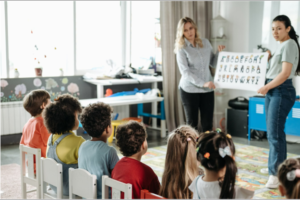
Group settings provide natural opportunities to practise social skills. Children encounter situations that involve sharing, taking turns, listening to others, asking questions, and responding to different perspectives.
A facilitator can support these interactions without taking over the conversation. They might help a child recognise when it is their turn to speak or encourage them to ask a classmate for a shared classroom material.
Cooperative activities are particularly useful because they give children a shared goal. Completing a puzzle, working on a group project, or playing a classroom game can encourage communication and collaboration.
Helping Children Navigate Classroom Transitions
Transitions happen throughout the school day. Children move between subjects, leave the classroom for lunch, change learning materials, and prepare for dismissal.
For children who find changes difficult, these moments can create uncertainty. They may need extra time to stop one activity, understand the next expectation, and shift their attention.
A facilitator can make transitions more predictable through visual schedules, countdowns, clear instructions, and consistent routines. These strategies help children understand what is changing and what they are expected to do next.
Working Alongside Teachers and Classroom Staff
Successful classroom support depends on communication between facilitators, teachers, and other school staff. Each person observes the child in different situations and can contribute useful information about what helps them participate.
Clear responsibilities are important. A facilitator should support the child’s participation without disrupting the teacher’s instruction or separating the child unnecessarily from classmates.
Training also matters for staff who provide direct support. Practical paraprofessional training opportunities can help school personnel understand their responsibilities and develop strategies for supporting students with different learning and behavioral needs.
Understanding How ABA Fits Into School-Based Support
Applied Behavior Analysis can be used to teach skills that help children participate in everyday environments. In a classroom, this may involve communication, following instructions, completing routines, and developing appropriate ways to request help.
Strategies should be selected according to the child’s individual goals. Some children need gentle coaxing, while others are more visual learners. Some are strong at Math, while some are very capable at their grasp of English.
School-based ABA may include direct teaching, reinforcement, prompting, and opportunities to practise skills during regular classroom activities. These strategies should be used thoughtfully and adapted as the child develops.
“If you want to look into getting ABA therapy at school, ask how support will be coordinated, how goals will be measured, and how the program will encourage independence rather than constant adult involvement” – Sarah, BCBA, Aviation ABA
Understanding the Difference Between Classroom Support Plans
Children may receive different types of support at school depending on their needs and educational plans. Behavioral support can involve strategies developed by school teams, individualized interventions, or collaboration with outside professionals.
A Behavior Intervention Plan (BIP) typically outlines strategies for addressing specific behaviors and supporting more appropriate alternatives. Positive Behavioral Interventions and Supports (PBIS) is a broader framework that schools can use to encourage positive behavior across the learning environment.
ABA services may complement existing school strategies, but the approaches are not automatically interchangeable. Understanding ABA, BIP, and PBIS can help parents ask clearer questions about how different forms of support work together.
Choosing the Right School-Based Support
The right support should reflect the child’s current abilities, classroom expectations, and individual goals. A child who needs help communicating with peers may require a different approach from one who struggles mainly with transitions or independent work.
Parents can ask how facilitators are trained and how they will communicate with teachers. It is also useful to understand whether support takes place during ordinary classroom activities and how the child’s progress will be reviewed.
A qualified ABA provider in Utah should be able to explain its approach to school-based services, including how goals are selected and how independence is encouraged. Families should feel comfortable discussing expectations before support begins.
Building Independence Beyond the Classroom
The skills children practise at school can also support their participation at home and in the community. Following instructions, communicating needs, waiting, and managing transitions are useful across many everyday situations.
Consistency between environments can help children apply these skills in different settings. When parents, teachers, and facilitators share relevant strategies, children have more opportunities to practise familiar expectations.
Support should change as the child develops. Some students may eventually need only occasional reminders, while others may continue benefiting from targeted assistance in specific situations.
Click here for more details.